Line Art Decorative Borders: Adding a Hand-Drawn Heart to Your Designs
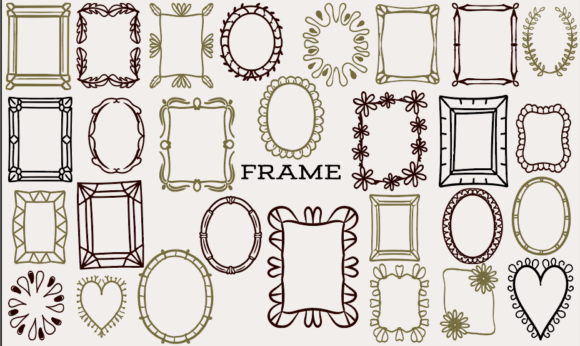
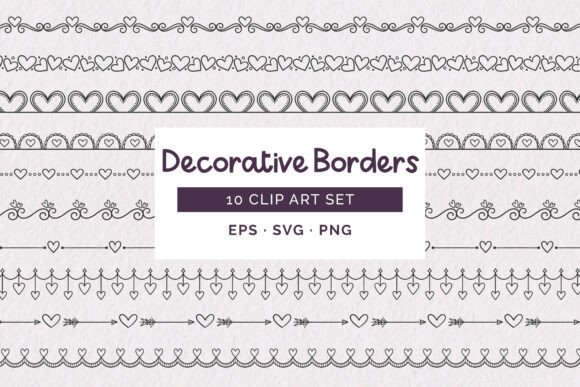
There's something about a hand-drawn line that digital perfection can't quite capture. It’s the slight wobble, the organic taper of a stroke, the feeling that a human hand was involved. This is the core appeal of Line Art Decorative Borders. These aren't just static frames; they're collections of delicate, illustrative elements—specifically, lovely hand-drawn borders adorned with heart drawings. They carry a warmth and personality that instantly makes a design feel more personal, more crafted, and more emotionally resonant.
Visually, this style of design asset is characterized by its simplicity and elegance. The lines are typically thin, consistent, and continuous, creating a sense of unity and flow. The hearts aren't cartoonish or overly stylized; they're integrated into the borders as natural, flowing parts of the composition. Think of them as the visual equivalent of a handwritten note on beautiful stationery. The overall effect is one of modern typography meets classic craft, offering a versatile aesthetic that feels both contemporary and timeless.
Where These Borders Truly Shine: From Valentine's to Branding
The most obvious application is, of course, Valentine's Day greeting card designs. These borders provide an instant, professional foundation for a card, allowing the typography and message to take center stage within a beautifully defined space. But their utility extends far beyond February 14th. As a creative font and design resource, they are perfect for any project where you want to inject a sense of affection, care, or handmade quality.
Consider a small business owner creating packaging design for artisanal chocolates or bath products. A subtle, heart-adorned border around the label communicates care and attention to detail. For bloggers and content creators, these borders can frame special announcement graphics, recipe cards, or quote images, making them stand out in a crowded social media feed. In editorial design, a chapter opener or a pull quote framed with a delicate line art border adds a touch of sophistication and visual interest without overwhelming the page.
They also work surprisingly well in more formal contexts. A brand identity for a wedding planner, a boutique hotel, or a jewelry designer could incorporate a simplified version of these borders into its visual language, using them in menus, website headers, or thank-you cards to reinforce a brand perception of elegance and personalized service. The key is that these are not just clip art; they are versatile design assets that can be scaled, recolored, and integrated into a wide array of professional and personal projects.
Practical Guidance for Working with Line Art Assets
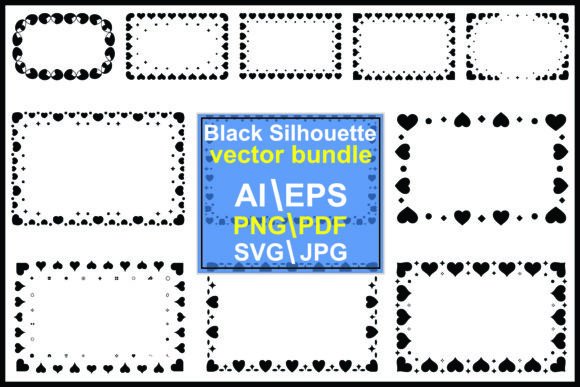
When you download a set like this—which typically includes a vector EPS file, multiple Transparent PNG files, and Vector SVG files—you're getting a toolkit designed for flexibility. Here’s how to approach using them effectively:
- Evaluate the Project Fit: Before you start, ask: Does the tone of my project match the personality of these assets? They convey warmth and craftsmanship. They might not be the right choice for a stark, corporate financial report, but they could be perfect for the annual report's cover or a special community initiative section.
- Test Font Pairings: These decorative borders act as a frame, so the typography inside needs to complement, not compete. For a balanced hierarchy, pair them with a clean sans serif font for body text. A elegant serif font can create a more classic, romantic feel. A simple script font or handwritten font for a headline can amplify the personal touch, but use it sparingly to maintain readability.
- Mind the Scale and Readability: A common mistake is using these intricate borders at too small a scale, where the details blur into a mess. Always ensure the line work remains crisp and legible at the final output size, whether it's a tiny web graphic or a large print poster. The high-resolution files provided are crucial for this.
- Leverage the File Formats: The vector EPS and SVG files are your best friends for any project that might need resizing—like logo design elements or large-format printing. The Transparent PNG files are perfect for quick drag-and-drop use in digital projects like social media graphics or website layouts.
- Consider Commercial Licensing: If you're a designer creating work for clients, or a small business using these assets on products for sale, always verify the license. Most reputable sources for premium fonts and design assets offer clear commercial font licensing, allowing you to use the work without legal ambiguity.
Ultimately, the power of Line Art Decorative Borders lies in their ability to add a layer of thoughtful detail. They are a subtle yet powerful tool in a designer's arsenal, capable of elevating a project from simply informative to genuinely engaging. By choosing assets that align with your project's emotional tone and applying them with an understanding of basic design principles, you create work that doesn't just communicate a message—it makes the audience feel it.